Views: 104 Author: Site Editor Publish Time: 2025-12-11 Origin: Site


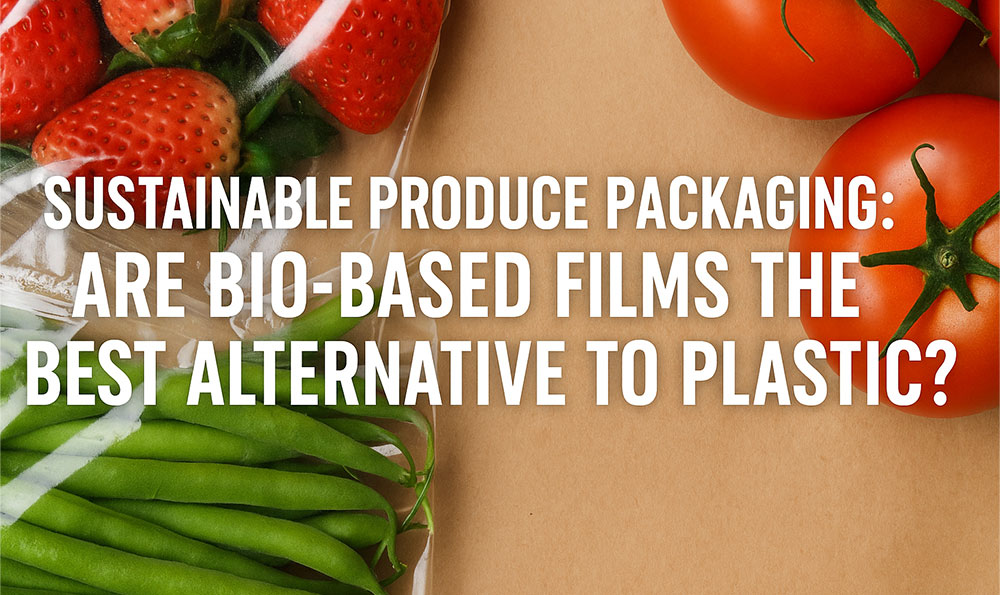
As consumers and retailers across Europe, the United States, and Australia move toward greener supply chains, the demand for sustainable produce packaging is growing faster than ever. Fruits, vegetables, and other fresh agricultural products require packaging that protects them, extends shelf life, and maintains visual appeal—all while reducing environmental impact.
Among the many new materials available, bio-based films are emerging as one of the most promising alternatives to traditional plastic. But are they truly the best solution?
This article explores what bio-based films are, how they perform, and whether they offer a realistic path forward for sustainable produce packaging.
What Are Bio-Based Films?
Bio-based films are packaging materials made using renewable plant-derived resources rather than fossil fuels. Common sources include:
PLA (Polylactic Acid) made from corn, sugarcane, cassava
Cellulose film from wood pulp
PHA/PBS blends from fermented plant oils
Starch-based compostable films
These materials can be engineered into transparent, breathable, or high-barrier packaging films, making them ideal for produce such as berries, leafy greens, tomatoes, mushrooms, or cut fruits.
Benefits of Bio-Based Films for Fresh Produce Packaging
1. Renewable Ingredients & Lower Carbon Footprint
Because bio-based films are made from plant materials, they typically generate less CO₂ during production than PE or PP.
Many brands use LCA (Life Cycle Assessment) to confirm this benefit.
2. Home or Industrial Compostability
PLA, cellulose, and other certified materials can break down naturally in compost environments, reducing landfill waste. Common certifications include TÜV OK Compost / Home Compost, ABA Home Compost (Australia), and EN 13432 (EU).
This meets regulatory expectations in Europe and Australia.
3. Strong Fresh-Keeping Performance
Bio-based films can be engineered with:
High breathability for moisture control
Anti-fog properties for retail visibility
MAP compatibility (Modified Atmosphere Packaging)
Excellent clarity
These features help maintain freshness and prevent spoilage—a major concern for supermarkets.
4. Consumer-Friendly & Marketable
Sustainable packaging increases customers' perception of product value.
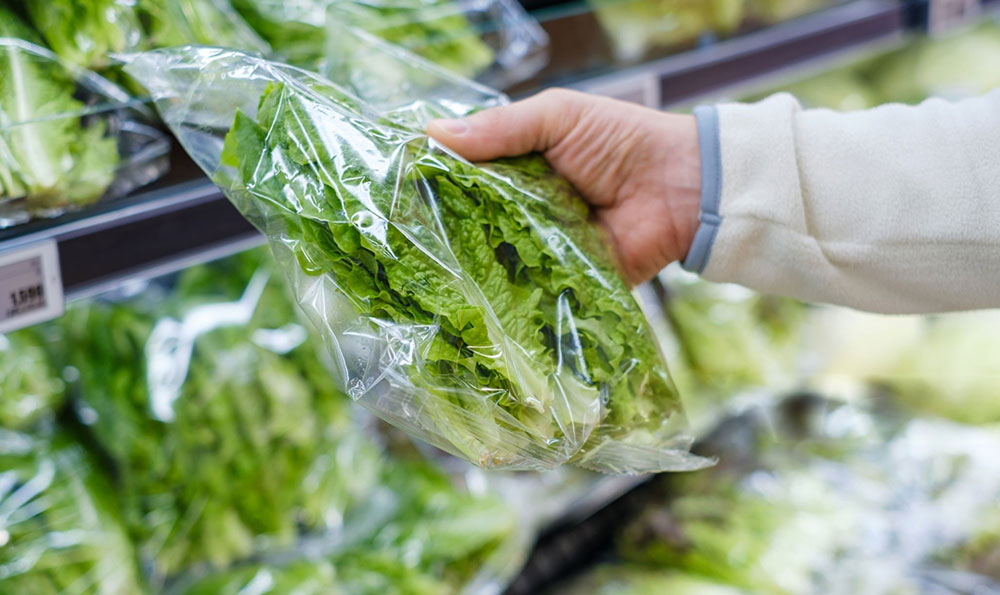
Limitations to Consider
While bio-based films are promising, brands should understand their limitations:
1. Higher Cost than Conventional Plastic
Cost is decreasing as production scales, but still remains higher than PE.
2. Heat Resistance & Barrier Requirements
Some applications may require modified blends for high moisture and frozen storage.
3. Composting Infrastructure Availability
Home compostable films address part of this issue, but industrial composting varies regionally.
Despite these considerations, bio-based films remain one of the most practical, scalable, and regulation-friendly alternatives available today.
Are Bio-Based Films the Best Alternative to Plastic?
Yes — for most fresh produce applications.
They offer the strongest combination of:
Environmental performance
Freshness protection
Retail visibility
Compostability
Consumer acceptance
Compliance with global plastic-reduction regulations
For brands wanting to reduce their environmental impact without compromising product quality, bio-based films provide a highly effective and future-proof solution.
FAQ
1. Are bio-based films safe for food?
Yes. PLA, cellulose, and PHA/PBS films comply with FDA and EU food-contact standards.
2. Can bio-based produce packaging be home composted?
Some films—such as paper-based, cellulose, or specific PLA-based blends—are OK Home Compost certified.
3. Are bio-based films more expensive?
They cost slightly more than PE, but provide higher brand value and meet strict sustainability regulations.
4. Do compostable films keep produce fresh?
Yes. Bio-based films can be engineered with breathable or anti-fog properties ideal for fruits and vegetables.
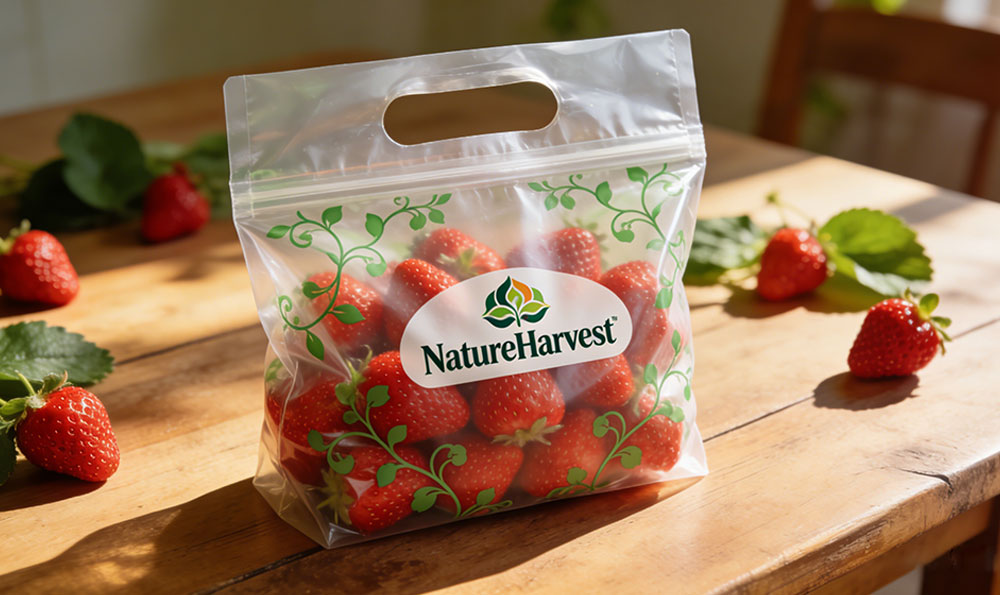
At BioPack, we help farms, produce brands, and retailers transition to more sustainable packaging with different eco-friendly solutions that can be customized with sizes, thickness, perforations, labeling, and branding to meet supermarket or export requirements.
Ready to Switch to Eco-Friendly Produce Packaging?
Contact us to get samples, quotes, or custom solutions for your fresh produce business.