Views: 107 Author: Site Editor Publish Time: 2026-01-26 Origin: Site


Vacuum sealed bags are widely used in the food industry to extend shelf life, reduce waste, and protect food quality. From coffee beans and matcha powder to nuts, dried fruits, meat, and ready-to-eat meals, vacuum packaging has become a trusted solution for both brands and consumers.
But one important question remains:
Are vacuum sealed bags safe for food storage?
The short answer is yes — if the right materials and processes are used.
In this guide, we'll explain how vacuum sealed food bags work, what makes them safe, which materials to choose, and how brands can ensure compliance with international food safety standards.
What Are Vacuum Sealed Bags for Food?
Vacuum sealed bags are flexible packaging pouches designed to remove air from inside the package before sealing. By eliminating oxygen, they:
Slow down oxidation
Prevent mold and bacteria growth
Extend shelf life
Preserve flavor and freshness
Reduce food waste
This makes them ideal for dry foods, coffee, matcha, pet food, snacks, and frozen products.
Are Vacuum Sealed Bags Safe for Food Storage?
Yes — vacuum sealed bags are safe when they are made from food-grade, certified materials and used correctly.
The safety depends on three key factors:
1. Food-Grade Materials
Vacuum food bags must be made from materials approved for direct food contact, such as:
PE (Polyethylene) – food-safe, flexible, sealable
PA (Nylon) – puncture-resistant, high strength
EVOH – excellent oxygen barrier
Multi-layer or mono-material structures designed for safety
All Biopack vacuum food bags comply with FDA, EU, and LFGB food-contact regulations, ensuring safe storage for food products.
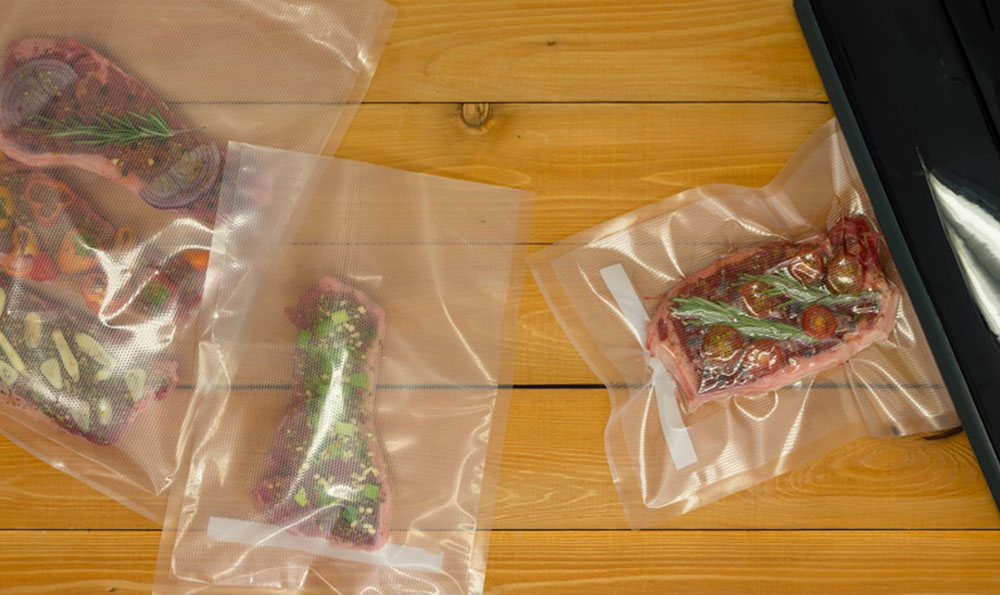
2. BPA-Free & Non-Toxic Films
High-quality vacuum sealed bags should be BPA-free, phthalate-free, odorless & tasteless, safe for both dry and moist food.
This is especially important for coffee, tea, matcha, and organic food brands where taste purity is critical.
3. Proper Use & Sealing Process
Even the safest bag can become unsafe if used incorrectly. Brands should ensure:
Correct vacuum sealing temperature
Full oxygen removal
Clean filling environment
Suitable storage conditions (room temperature, refrigerated, or frozen)
Best Materials for Safe Vacuum Food Packaging
Choosing the right structure is essential for safety and performance:
PA/PE Vacuum Bags: Strong & puncture-resistant, ideal for meat, seafood, frozen foods
EVOH High-Barrier Vacuum Bags: Excellent oxygen protection, perfect for coffee, matcha, nuts
Recyclable Mono-PE Vacuum Bags: Eco-friendly, compliant with EU recycling streams, ideal for sustainable brands
Are Vacuum Sealed Bags Safe?
Yes — vacuum sealed bags are one of the safest and most effective food packaging solutions when made with certified materials and used correctly. They help brands extend shelf life, reduce waste, and protect food quality while meeting international safety standards.
If you're looking for safe, customizable, and sustainable vacuum sealed bags for food, Biopack is ready to support your brand.
Contact us to get your custom vacuum packaging solution.