Views: 167 Author: Site Editor Publish Time: 2026-03-30 Origin: Site


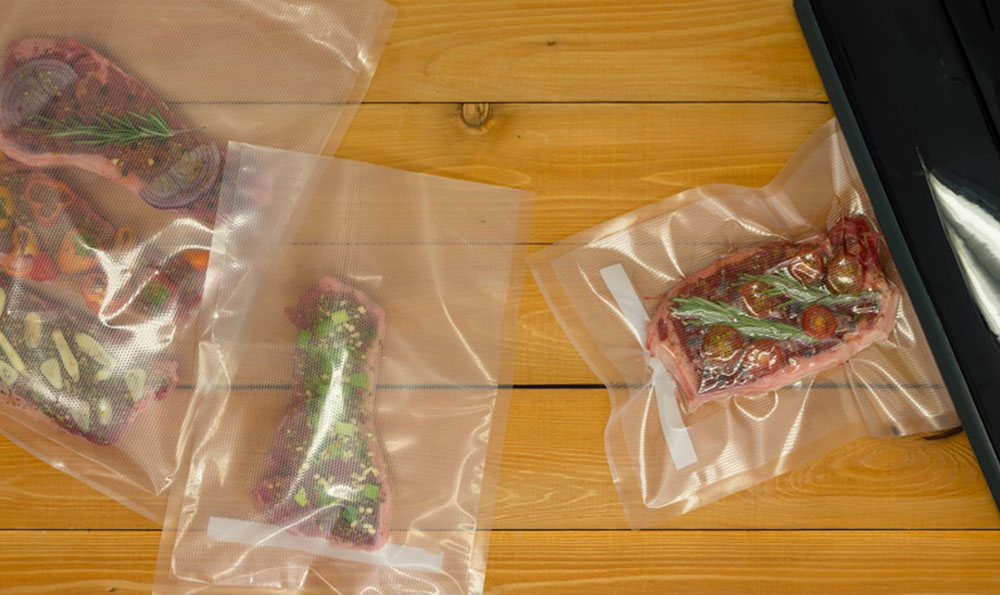
When choosing the right packaging for food products, many brands struggle to decide between retort pouches and vacuum bags. While both are widely used in the food industry, they serve very different purposes.
Understanding the difference between a retort pouch and a vacuum bag is essential for selecting the best packaging solution for your product—whether it's ready meals, sauces, seafood, or pet food.
In this guide, we break down their differences, advantages, and best use cases to help you make the right decision.
A retort pouch is a flexible, multilayer packaging solution designed to withstand high-temperature sterilization (typically 121°C–135°C).
It allows food to be cooked and sterilized inside the package, ensuring long shelf life without refrigeration.
Key Features:
High barrier against oxygen, moisture, and light
Multi-layer structure (PET / AL / NY / CPP)
Suitable for thermal processing (retort sterilization)
Shelf life up to 12–24 months
Common Applications:
Ready-to-eat meals (rice, curry, soup)
Sauces and liquid foods
Pet food (wet food)
Seafood and meat products
A vacuum bag is designed to remove air from the package to reduce oxidation and extend shelf life.
Unlike retort pouches, vacuum bags are not designed for high-temperature sterilization.
Key Features:
Air removal (vacuum sealing)
Typically made of PA/PE or similar materials
Extends shelf life by slowing bacterial growth
Used with vacuum sealing machines
Common Applications:
Fresh meat and seafood
Cheese and dairy products
Frozen foods
Dry foods (nuts, coffee)

A retort pouch and a vacuum bag serve different purposes in food packaging, especially in terms of sterilization, shelf life, and application.
Sterilization:
Retort pouches can withstand high temperatures (121–135°C) for full sterilization, allowing food to be safely stored at room temperature. Vacuum bags cannot handle high-temperature processing.
Shelf Life:
Retort pouch packaging offers a long shelf life of up to 12–24 months without refrigeration. Vacuum bags extend freshness by removing air but usually require cold storage.
Packaging Process:
Retort pouches are used for “cook-in-package” sterilization, ideal for ready meals and liquids. Vacuum bags simply remove oxygen to slow spoilage.
Barrier Performance:
Retort pouches provide high barrier protection against oxygen, moisture, and light. Vacuum bags offer moderate protection suitable for fresh or frozen foods.
Applications:
Retort pouches are widely used for ready meals, sauces, and pet food, while vacuum bags are commonly used for meat, seafood, cheese, and frozen products.
Equipment:
Retort pouches require autoclave sterilization systems, whereas vacuum bags only need a vacuum sealing machine.
Choosing between a retort pouch and a vacuum bag depends on your product type and distribution needs.
Choose a Retort Pouch if:
You need long shelf life without refrigeration
Your product is ready-to-eat or liquid-based
You require high food safety and sterilization
Choose a Vacuum Bag if:
Your product is fresh or frozen
You want to reduce oxidation
You don’t require heat sterilization

In recent years, retort pouch packaging has become increasingly popular due to:
Demand for ready-to-eat convenience foods
Growth of online food delivery and exports
Need for lightweight and cost-efficient packaging
Many brands are now switching from cans to retort pouches for better logistics and sustainability.
Both retort pouches and vacuum bags play important roles in food packaging—but they are not interchangeable.
If your goal is long shelf life, food safety, and ready-to-eat convenience, retort pouches are the better choice.
If you are packaging fresh or frozen products, vacuum bags remain a practical solution.
Contact us now to get a free quote and packaging consultation.
FAQs
Q1: Is a retort pouch better than a vacuum bag?
Yes, for ready meals and long shelf life, retort pouches are superior.
Q2: Can vacuum bags be used for high-temperature cooking?
No, standard vacuum bags cannot withstand retort sterilization.
Q3: Are retort pouches safe for food?
Yes, they are widely used and comply with FDA and EU standards.
Q4: Which packaging is cheaper?
Vacuum bags are cheaper, but retort pouches offer higher value for long-term storage.
Q5: Can retort pouches replace cans?
Yes, many brands are replacing cans with retort pouches due to convenience and cost savings.