|





| Quantity: | |
|---|---|
BioPack
Custom dimensions
Custom printing available
Custom logo
PE-based structure; final specification subject to application review
Product Description
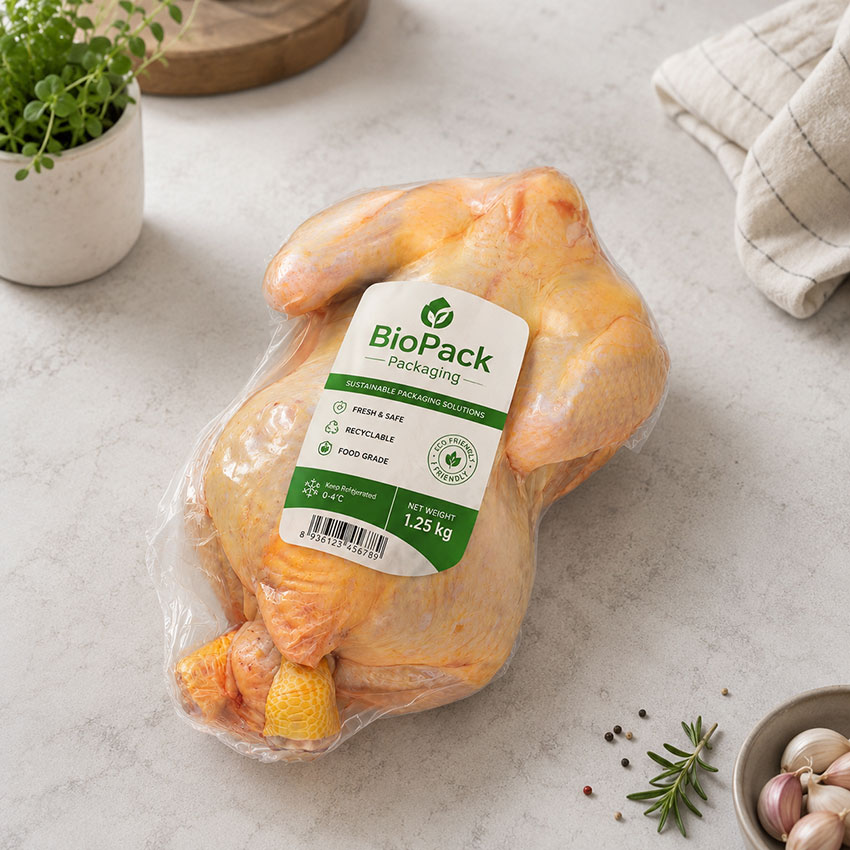
A vacuum bag has two jobs: fit the food and hold the seal through the journey to your customer. BioPack offers custom recyclable vacuum seal food bags for brands developing PE-based packaging, with pouch dimensions and printing tailored to the project. The final structure should be selected against your food, packing equipment, storage conditions and destination recycling system.
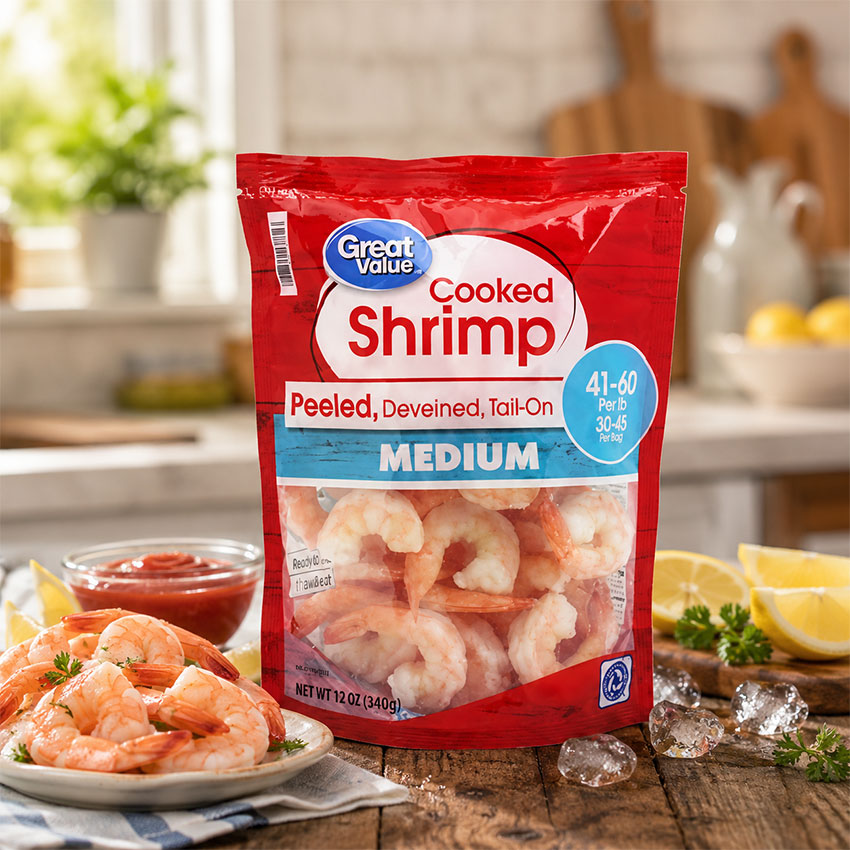
Start with the pack you need to deliver: a cheese portion that stays neatly presented, a seafood pack that retains its vacuum, or a frozen meat pouch that tolerates handling. Those requirements are more useful than choosing a bag by thickness alone.
Item | Project specification |
|---|---|
Product | Custom vacuum seal food pouches |
Material direction | PE-based structure; barrier layers and full composition to be confirmed |
Dimensions | Custom width and length, allowing for food thickness and a clean sealing area |
Appearance | Clear or custom-printed presentation, subject to the chosen structure |
Equipment | Specify chamber or external-suction machine and model before sampling |
Applications to assess | Cheese, meat, poultry and seafood; suitability depends on the food and process |
Commercial details | MOQ, price, sampling and lead time quoted against the approved specification |
Two products with the same weight can need different pouch sizes. A thick cheese wedge uses more film around its sides than a flat portion. Send the filled product dimensions as well as its weight, and leave enough unfilled bag length to keep food, oil and moisture away from the final seal.
Smooth pouches are commonly used with chamber vacuum machines. External-suction machines often need an embossed or channelled bag to let air escape. A recyclable material description does not establish machine compatibility. Share your machine model and test the proposed pouch on the actual line.
Ask for oxygen and moisture barrier data for the proposed structure, including the test conditions. Compare those figures alongside seal performance, puncture resistance and storage trials. A pouch that looks good immediately after packing still needs to perform after handling and distribution. Bone-in cuts, sharp edges and frozen products deserve particular attention during sampling.
Recyclable describes a packaging design and its compatibility with a recycling stream; it does not mean that every household collection accepts it. The complete pack matters, including barrier layers, inks, adhesives and labels. A PE-based structure should be assessed in its finished form for the market where it will be sold.
Before approving disposal instructions or a recycling logo, confirm the final composition, available assessment evidence and local collection route. These bags are not presented as compostable or biodegradable. Recycled content is a separate specification and should not be inferred from recyclability.
Define the application. Share the food, portion size, storage conditions, target shelf life and sales market.
Review the specification. Agree dimensions, structure, printing and the evidence needed for food contact and recycling claims.
Run a packing trial. Check filling, evacuation, the sealing window and the appearance of the packed product.
Test the packed food. Review leaks, vacuum retention, handling damage and shelf life under your intended conditions before approving production.
No. Conventional vacuum bags can combine materials that are unsuitable for a particular recycling stream. Confirm the full structure and the disposal route for the finished pack rather than relying on transparency or a resin name.
Compatibility needs to be confirmed. Tell BioPack whether you use a chamber or external-suction machine and provide its model. Trial samples before placing a production order.
Each use needs a suitable specification. Freezer storage does not establish suitability for cooking, boiling, retort processing or microwave heating. Provide the intended temperature and duration so the material can be assessed for that process.
There is no single shelf-life figure for a vacuum bag. The food, initial condition, process, barrier performance, seal integrity and storage temperature all matter. Validate shelf life using the actual food and approved packaging; vacuum packing does not replace appropriate food-safety controls.
Yes. BioPack offers custom dimensions and printing. Send your artwork, required quantity and packaging specification for a project-specific quotation.
Send BioPack your food type, fill weight and dimensions, machine model, storage conditions, destination market, artwork and order quantity. Include an existing pouch specification if you are replacing a current pack. These details help identify a suitable sample and make quotations easier to compare.